


CaribNOG 31: Strengthening the Caribbean’s Digital Resilience
Across the Caribbean, the conversation about digital infrastructure has changed. Issues once treated primarily as technical matters now command the attention of ministers, regulators, national security advisors, and development institutions. CaribNOG 31 — the 31st regional meeting of the Caribbean Network Operators Group, convened in Kingston, Jamaica, on 14-16 April 2026 — expressed that shift with particular clarity.
The Resilience Requirement Hits Home
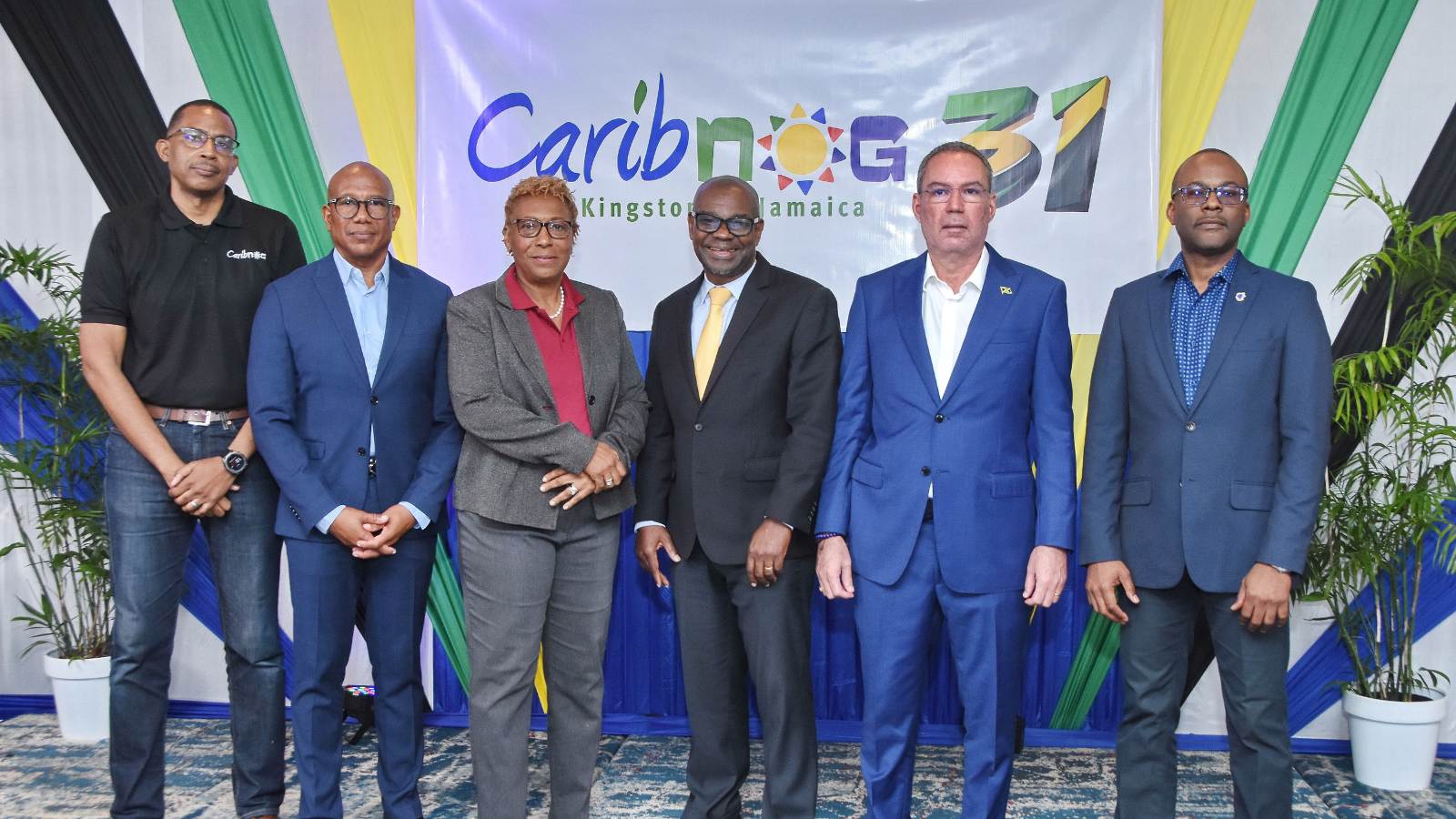
Hosted at the Jamaica Pegasus Hotel under the theme “The Resilient Archipelago: Strengthening the Caribbean’s Digital Core,” the meeting brought together more than 100 network operators, Internet community partners, government officials, regulators, and next-generation practitioners for three days of highly interactive discussions, training, and working sessions on digital sovereignty and critical Internet infrastructure.
Jamaica provided a sobering setting for that conversation. The island is still recovering from the damage caused by Hurricane Melissa in 2025. That storm tested Jamaica’s power, telecommunications, and digital infrastructure. The resulting connectivity failures made the stakes concrete; they revealed where resilience had been built, where vulnerabilities remain, and where mitigation and recovery planning continue to require deeper attention.
That context gave both CaribNOG 31 and the broader CaribNOG mission renewed urgency.
The Operator’s New Burden
The agenda covered local Internet exchange points (IXPs), disaster resilience, IPv6, cybersecurity, artificial intelligence, peering, measurement, and practical solution-building. The structure reflected a view of Internet infrastructure as a shared development system: part engineering discipline, part public policy concern, part continuity plan.
The opening session framed one of the meeting’s central ideas — the changing role of the network operator. For years, much of this work was most successful when invisible: The technical community keeps services available, routes stable, and systems functioning. The current environment now asks more.
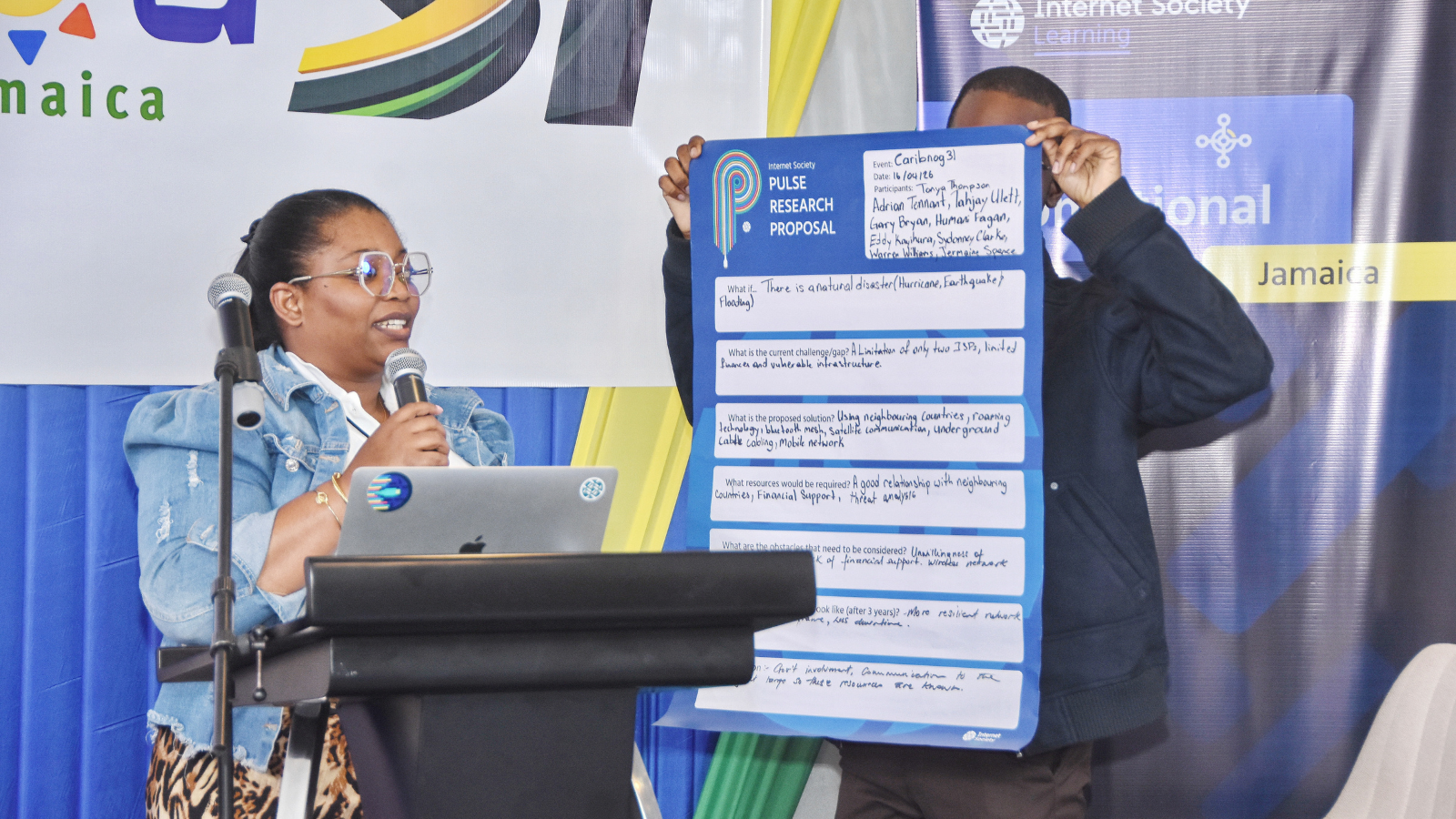
Across the Caribbean, networks must hold under hurricane stress, cyber incidents, provider changes, traffic growth, regulatory pressure, and rising public dependence on digital services. The network operator increasingly functions as a steward of continuity, trust, and regional capability. This repositioning shaped the sessions and workshops that followed. Discussions on resilience and solution formation created space for operators and institutions to challenge assumptions, identify practical constraints, and turn shared concerns into actionable work.
Control, Continuity, and Choice
The ARIN technical workshop, facilitated by Chief Technology Officer Mark Kosters, placed Internet number resource autonomy at the center of digital resilience. For governments, universities, operators, enterprises, and critical service providers, direct ownership of these resources provides vital independence. It means they can switch service providers without losing connectivity and recover more quickly if a network is disrupted. It also allows them to safeguard their own routing security and connect to multiple Internet providers at once to ensure they always stay online.
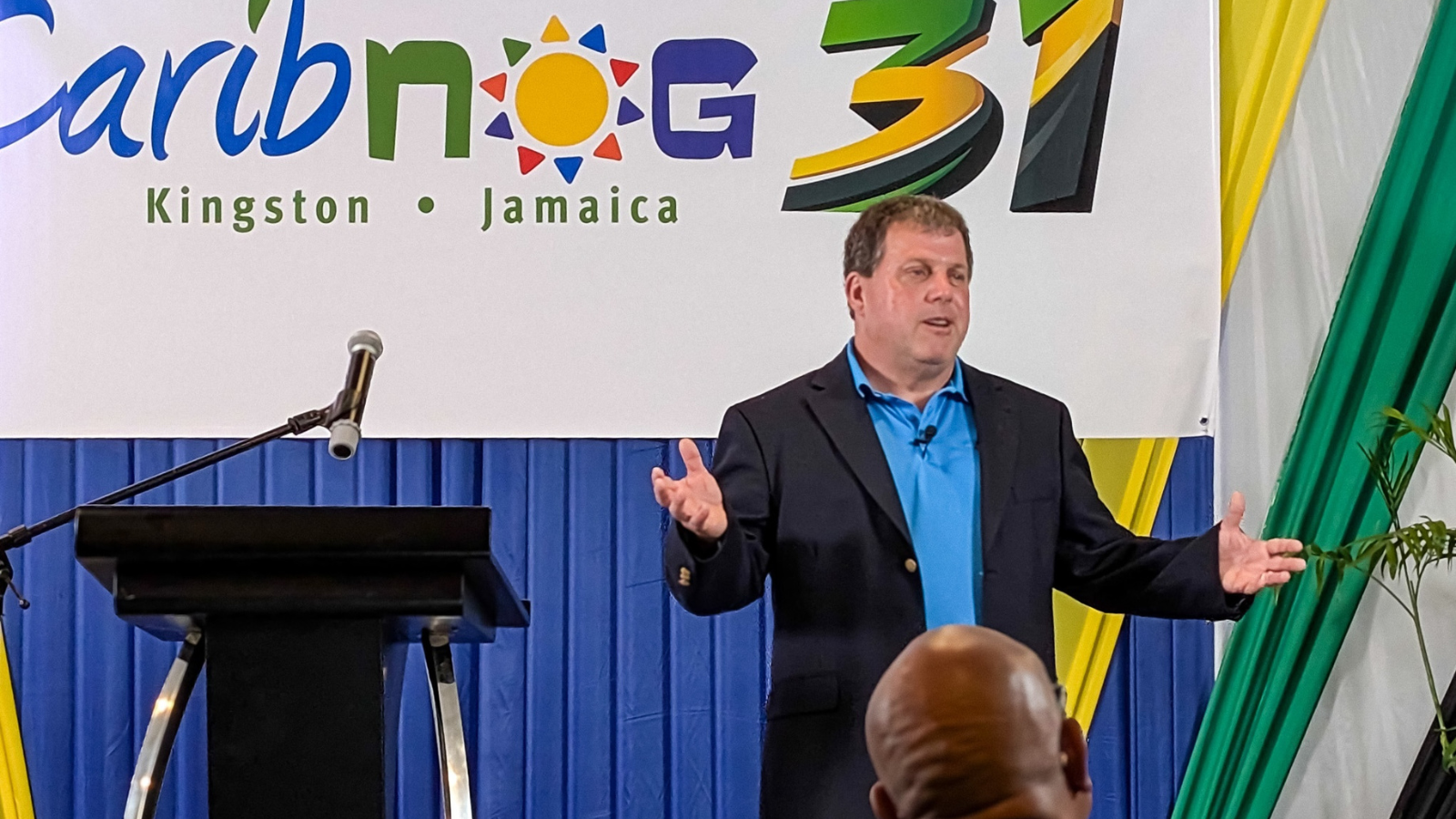
Speakers from peer Internet organizations, including LACNIC, ICANN, the Internet Society, and Packet Clearing House, also underscored this central point. They presented Autonomous System Numbers, portable address space, IPv6 planning, Internet Routing Registry practices, and Resource Public Key Infrastructure as practical instruments of resilience.
One recurring theme was clear: The infrastructure decisions made now will shape the region’s digital resilience well into the future.
Strengthening Local Interconnection
For Jamaica, the need to build resilience found practical expression in the rebuilding and relaunch of its local IXP around a stronger model for participation, technical design, and sustained operator engagement. The relaunch gave the meeting one of its clearest practical signals: resilience depends on local interconnection, governance, measurement, and sustained operator commitment.
CaribNOG’s Director of Research, Claire Craig, presented an assessment of the state of the Caribbean IXP ecosystem, while case studies from Grenada, Haiti, and the African continent examined the governance, participation, and operational conditions that determine whether exchange points succeed and endure.
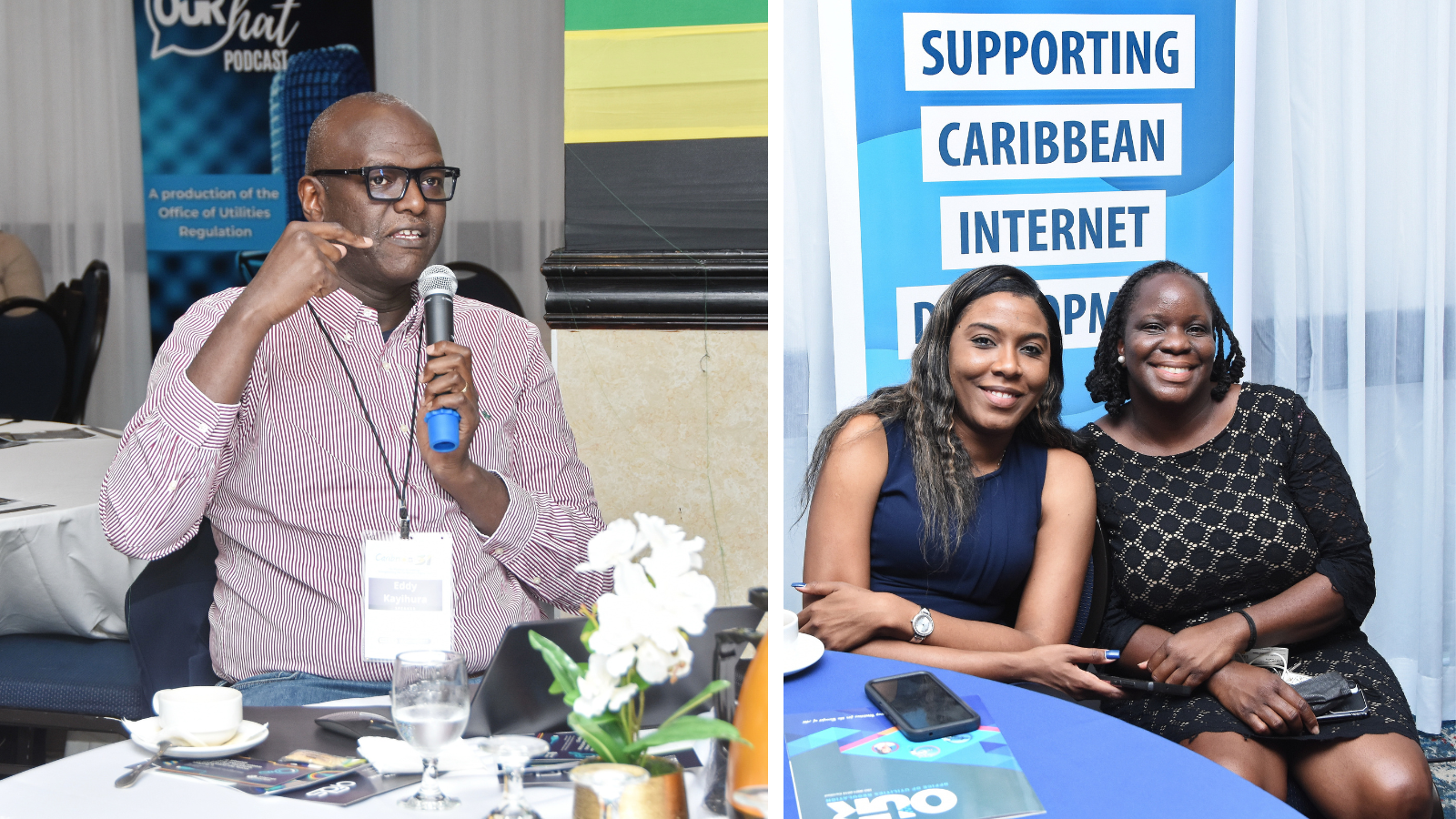
Eddy Kayihura, Director of Government Affairs at Packet Clearing House, reinforced the business case for interconnection. Packet Clearing House has helped build IXPs across some of the world’s most challenging environments, and his message resonated with the audience and the theme of the meeting.
Supporting the Caribbean Technical Community
CaribNOG 31 demonstrated the value of a robust regional technical community. The Caribbean’s digital core is built across many jurisdictions, markets, providers, and institutional mandates. Progress depends on trusted spaces where technical knowledge, policy awareness, operational experience, and regional purpose can meet. For more than 15 years, CaribNOG has helped provide that space.
The 31st Regional Meeting reaffirmed that network operators occupy a position of strategic consequence. They are responsible for architecting systems expected to hold when crisis strikes and when critical infrastructure faces loads, threats, and expectations beyond its original design assumptions.
Kingston provided a clear picture of the work ahead: stronger local interconnection, wider IPv6 adoption, deeper routing security practice, greater resource autonomy, and broader participation in the policy processes that shape Internet number resource stewardship.
ARIN is committed to supporting that work through practical services, policy engagement, technical training, and continued partnership. Our engagement continues in October at CaribNOG 32 in Curaçao and ARIN 58 in Miami, and wherever the regional technical community next convenes.
For information on future ARIN events for the Caribbean community, stay tuned to the ARIN Event Calendar and the ARIN Caribbean webpage. Stay connected with us by subscribing to our blog and mailing lists and following us on social media.

Recent blogs categorized under: Caribbean
GET THE LATEST!
Sign up to receive the latest news about ARIN and the most pressing issues facing the Internet community.
SIGN ME UP →Blog Categories
Public Policy • Tips • Training • Security • Elections • ARIN Bits • Grant Program • Fellowship Program • Caribbean • IPv6 • Data Accuracy • IPv4 • Guest Post • Customer Feedback • Outreach • Internet Governance • RPKI • Updates • IRR • Business Case for IPv6